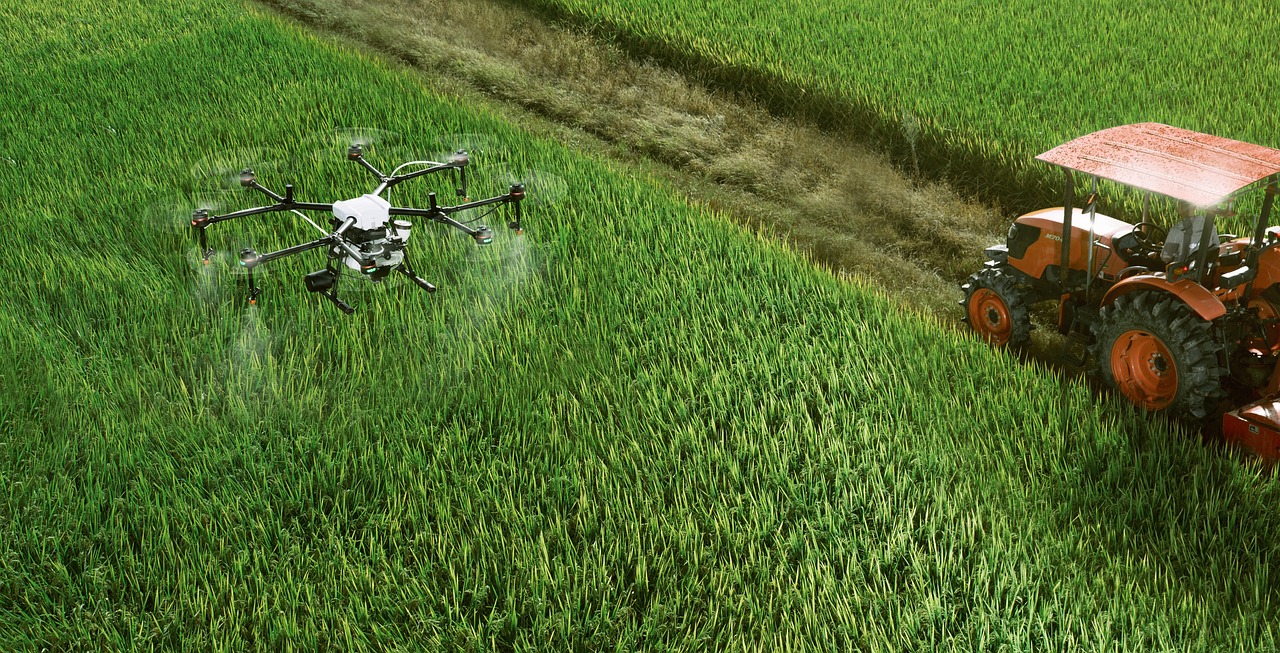
The landscape of agriculture and timber harvesting in 2026 is being transformed profoundly by emerging technologies. Far beyond incremental improvements, these innovations are revolutionizing how farmers and foresters approach harvest methods, integrating data-driven precision, automation, and environmental awareness. In fields stretching across vast rural expanses or dense forest territories, drones soar overhead collecting detailed imagery, autonomous machines execute physically demanding tasks with unparalleled efficiency, and sophisticated IoT networks orchestrate the intricate dance of resources and operations. This technological renaissance not only elevates productivity but also charts a course toward sustainable agriculture and responsible timber management.
As global demand grows against mounting environmental concerns, traditional harvest methods struggle to keep pace with the dual imperative of increased yield and ecosystem stewardship. Whether it is through precision farming that optimizes input use down to the micron scale, or robotics automating hazardous forestry tasks to elevate worker safety, the merger of technology and agriculture is reshaping entire supply chains. Companies are witnessing significant returns by leveraging innovations like AI-powered crop monitoring, smart irrigation systems, and autonomous harvesters – setting new industry standards for efficiency and reducing waste.
At the intersection of these advances lies a fertile ground of opportunity and challenge, forcing stakeholders to rethink operational models, investment priorities, and skills training. The future of harvesting will no longer be measured by the strength of human labor alone but by the synergy between advanced technologies and traditional expertise.


Key Highlights in Emerging Technology Impacting Harvest Methods:
- Integration of drones and remote sensing for real-time crop and forest monitoring enhances responsiveness and data accuracy.
- Automation and robotics reduce physical labor risks and increase operational speed and yield consistency.
- Smart farming leveraging IoT enables precise resource management, contributing to sustainable agriculture goals.
- Advanced analytics and AI improve decision-making, from predicting disease outbreaks to optimizing harvest timing.
- Transition challenges include high upfront costs, the need for workforce retraining, and data integration complexities.
Revolutionizing Timber Harvesting: Emerging Technologies Shaping Modern Forestry Practices
Timber harvesting, traditionally reliant on manual labor and basic tools, is undergoing a fundamental shift toward digital transformation. The once labor-intensive sector now embraces advanced technologies such as drones, lidar, autonomous vehicles, and AI-driven analytics – collectively known as precision forestry. These tools allow foresters to capture high-resolution data about tree health, forest density, and terrain with unmatched accuracy. This digital shift elevates forest management from reactive to proactive by forecasting disease outbreaks and optimizing harvest plans aligned with ecosystem conservation.
For example, drones performing aerial surveys equipped with multispectral cameras provide actionable insights into canopy conditions and biodiversity without disturbing wildlife habitats. When combined with airborne lidar data, these technologies generate 3D models that map out timber volume and forest composition across thousands of hectares in a fraction of the time traditional surveys would require.
Moreover, autonomous harvesters equipped with GPS navigation and machine learning algorithms can maneuver challenging terrains to fell and transport logs efficiently while minimizing soil disturbance. Scandinavian timber companies have reported abundant benefits from adopting such innovations, increasing harvesting efficiency by up to 30% while decreasing operational costs and worker injuries.
This modernization supports sustainable forestry, helping companies meet strict environmental regulations and promoting reforestation efforts through precise data monitoring of post-harvest regeneration. Digital forestry platforms create transparency across the supply chain, mitigating illegal logging risks and fostering accountability from forest to market.
These innovations are highlighted by several case studies emphasizing how timber firms leverage autonomous harvesters and data-driven analytics to stay competitive and deliver economic and ecological benefits simultaneously. As forestry enterprises continue adopting these disruptive technologies, the balance between productivity and sustainability becomes attainable at scale.
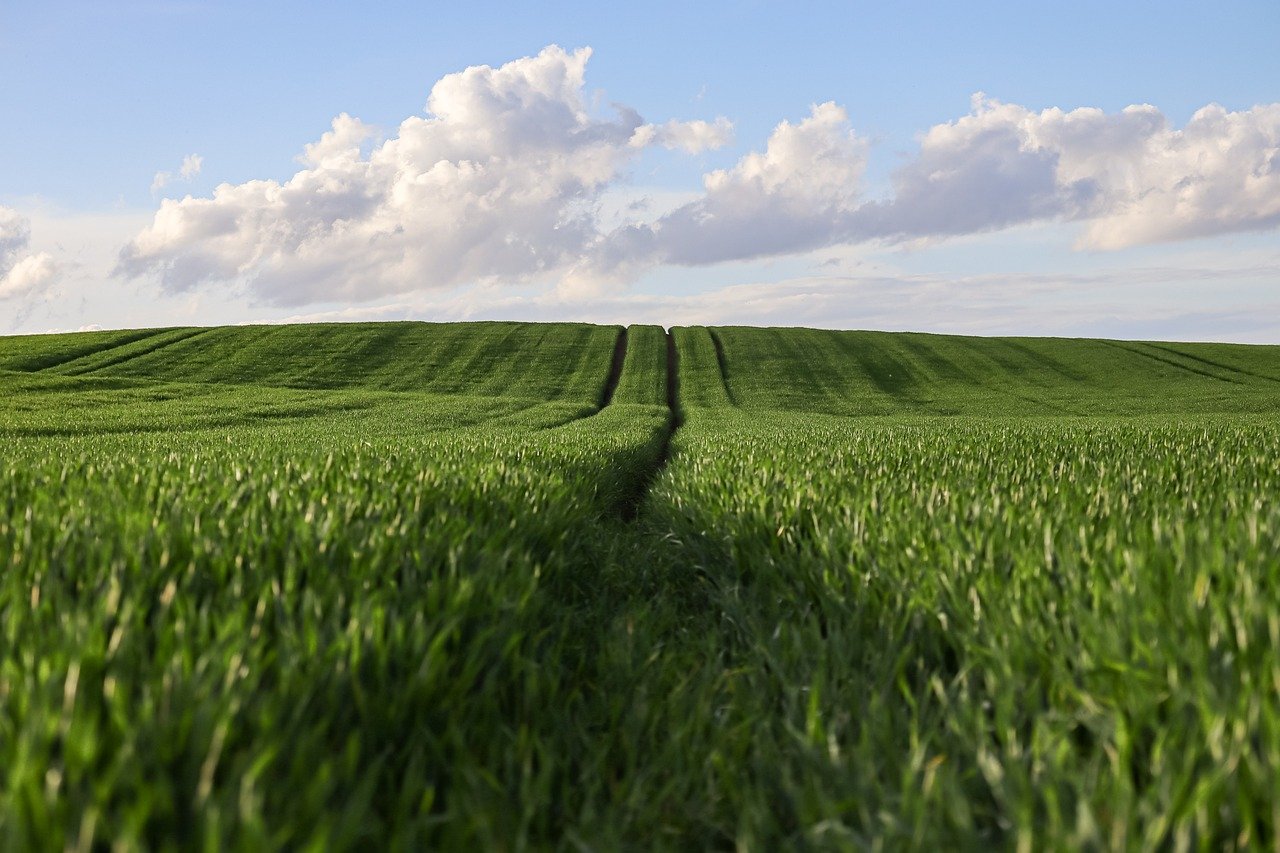
Precision Farming and Smart Agriculture: Catalysts for Enhanced Harvest Methods
Precision farming represents a leap forward in agricultural innovation, employing emerging technologies such as IoT, AI, drones, and big data to enhance efficiency and sustainability. Smart farming practices leverage sensor networks to monitor soil health, moisture levels, and crop growth in real-time, enabling farmers to apply water, fertilizers, and pesticides with pinpoint accuracy—minimizing waste and environmental impact.
Drones play a pivotal role here by providing an aerial perspective that complements ground sensors. Equipped with thermal and multispectral cameras, these unmanned systems detect early signs of pest infestation and disease, allowing for targeted interventions. This capability dramatically reduces the need for blanket pesticide spraying, thus preserving beneficial insect populations and lowering chemical runoff into waterways.
Smart irrigation solutions adjust water application based on precise moisture measurements, saving significant volumes of water critical for regions facing scarcity. Reports show that technologies optimizing irrigation, as highlighted in smart irrigation efficiency studies, can improve crop yields substantially while reducing operational costs.
The integration of AI and machine learning within precision farming further refines decision-making processes. Through advanced analytics, farmers can anticipate optimal planting schedules, predict harvest times, and forecast yields. This data-driven insight streamlines operations and reduces resource overuse, embodying the principles of sustainable agriculture.
Furthermore, digital scouting powered by AI-enabled drones enables ultra-precise crop health assessments, paired with robotic sprayers that apply treatments only where necessary. This approach not only boosts farm profitability but also aligns perfectly with growing consumer demand for environmentally responsible food production.
Transitioning to these innovative methods involves challenges such as initial setup costs and the need for digital literacy among farmers. Yet, as adoption expands, the cumulative benefits in efficiency and sustainability become a strong incentive. Such change underscores a dramatic evolution from traditional farming toward a high-tech, interconnected agricultural ecosystem.
Interconnectivity of IoT and Robotics in Transforming Harvest Operations
The fusion of IoT in agriculture with robotics is another revolutionary aspect reshaping harvest methods. IoT devices, such as soil moisture sensors, weather stations, and GPS trackers, collect continuous streams of data, allowing farmers and forest managers to make informed decisions in real-time. This networked infrastructure facilitates timely responses to changes in environmental conditions, such as drought stress or pest outbreaks.
Robotics complements this data-driven environment by automating physically demanding and repetitive tasks with high precision. Harvest robots equipped with AI vision systems can identify ripe fruit or mature timber ready for extraction, minimizing damage and optimizing quality. On large farms and forested areas, these machines operate efficiently around the clock, improving harvest throughput and safety.
One striking example is the deployment of autonomous harvesters in timber operations that can maneuver autonomously over rough terrain while assessing tree quality and extracting timber selectively. This reduces waste and improves ecological outcomes in line with sustainability objectives.
In agriculture, robotic harvesters for delicate crops like berries or tomatoes reduce human labor dependency while improving picking speed and reducing crop bruising. Coupled with IoT-enabled monitoring systems, these solutions represent a holistic overhaul of harvesting that maximizes productivity and resource stewardship.
The landscape of connected devices continues to grow with smart farming equipment increasingly linked via cloud platforms. This interconnectivity allows integration with precision farming tools, enabling seamless coordination of irrigation, fertilization, and harvesting regimes. The cascading efficiency gains realized are reflected in increased farm profitability and lower environmental footprints.


Challenges and Strategic Pathways for Adopting Emerging Technologies in Harvesting
Despite the substantial advantages, integrating emerging technologies into harvest methods presents a set of complex challenges. High capital expenditures pose significant barriers especially for small to medium-sized farming operations and timber companies. The acquisition costs for drones, autonomous vehicles, lidar sensors, and supportive software platforms require rigorous cost-benefit analysis. Without clear returns on investment, adoption hesitancy remains high.
Beyond finances, data management and integration difficulties often arise. Many forestry and farming enterprises possess extensive legacy data in hardcopy or incompatible digital formats. Merging this historical information with data sourced from new IoT systems and drones calls for sophisticated information technology solutions and skilled personnel.
Workforce transformation is critical, as operators accustomed to traditional methods must learn to handle tech-driven tools. Upskilling initiatives targeting drone piloting, data analytics, AI interpretation, and robotics operation must become standard components of workforce development programs to ensure readiness.
Additionally, connectivity limitations in remote rural and forest regions can impair real-time communication and cloud functionality, hindering the full utilization of digital platforms. Policymaking and regulatory frameworks also require adaptation to permit the legal and safe use of autonomous machinery and aerial vehicles in sensitive environmental contexts.
Successful technology adoption often relies on phased implementation strategies, combining pilot projects with broader stakeholder engagement. Early demonstration of benefits helps justify investments and builds confidence among workers and managers. Partnerships with technology providers and research institutions foster knowledge sharing and smooth integration of innovations.
Furthermore, companies prioritizing sustainable practices can leverage digital harvest tools to meet environmental commitments and access green funding or certifications, offering competitive business advantages documented in competitive advantage business research.
Comparison Table: Traditional Harvest Methods vs Emerging Technologies
Use the search box below to filter the table interactively.
| Traditional Harvest Methods | Emerging Technologies |
|---|
Enabling Sustainable Agriculture through Technological Innovation
Emerging technologies are not solely about boosting efficiency—they form an integral part of advancing sustainable agriculture. By refining harvest methods with precision tools and robotics, farmers and foresters align production goals with ecological preservation, carbon footprint reduction, and resilience to climate change. For instance, agriculture carbon sequestration practices benefit from data gathered via drones and sensors, informing land management choices that enhance soil carbon storage.
Smart farming exemplifies this synergy by using IoT-equipped devices to optimize water and nutrient use, mitigating waste and pollution. Furthermore, the adoption of robotic systems and AI analytics markedly decreases greenhouse gas emissions by minimizing fuel consumption and chemical overuse, contributing to farming’s climate resilience.
Innovation in post-harvest technologies enhances shelf-life and product quality, reducing food loss along the supply chain. These factors together form a holistic sustainable agriculture model that integrates technology, ecology, and economics for long-term viability.
Market analyses forecast rapid growth in agricultural technology sectors. As shown in top startup ideas 2025 reports, smart farming and sustainable agritech startups are attracting increasingly robust investment, reflecting a strong industry conviction in the value of innovation.
Practitioners aiming to harness the benefits of emerging technologies in harvesting should view these tools as enablers of a balanced, responsible agricultural future—where enhanced productivity and sustainability are not competing objectives but closely integrated outcomes.
What are the primary benefits of using drones in harvest operations?
Drones provide comprehensive aerial data that improves crop and forest monitoring, enables early pest and disease detection, and facilitates precise mapping. This leads to more informed decisions, increased efficiency, and reduced environmental impact.
How does automation improve worker safety in timber harvesting?
Automation reduces the exposure of workers to hazardous environments by performing physically demanding and dangerous tasks autonomously, lowering workplace injuries and increasing operation speed.
What challenges do farmers face when adopting smart farming technologies?
The main challenges include high upfront costs, technical skill requirements, integrating legacy data with new systems, ensuring reliable connectivity, and adapting operational workflows.
In what ways do IoT devices contribute to sustainable agriculture?
IoT devices enable precise management of resources like water and fertilizers by monitoring environmental conditions in real-time, reducing waste, conserving resources, and enhancing crop yields sustainably.
How is artificial intelligence changing harvest timing decisions?
AI analyzes large datasets from sensors and satellites to forecast optimal harvest windows based on factors like crop growth stage, weather patterns, and potential stressors, maximizing yield and quality.