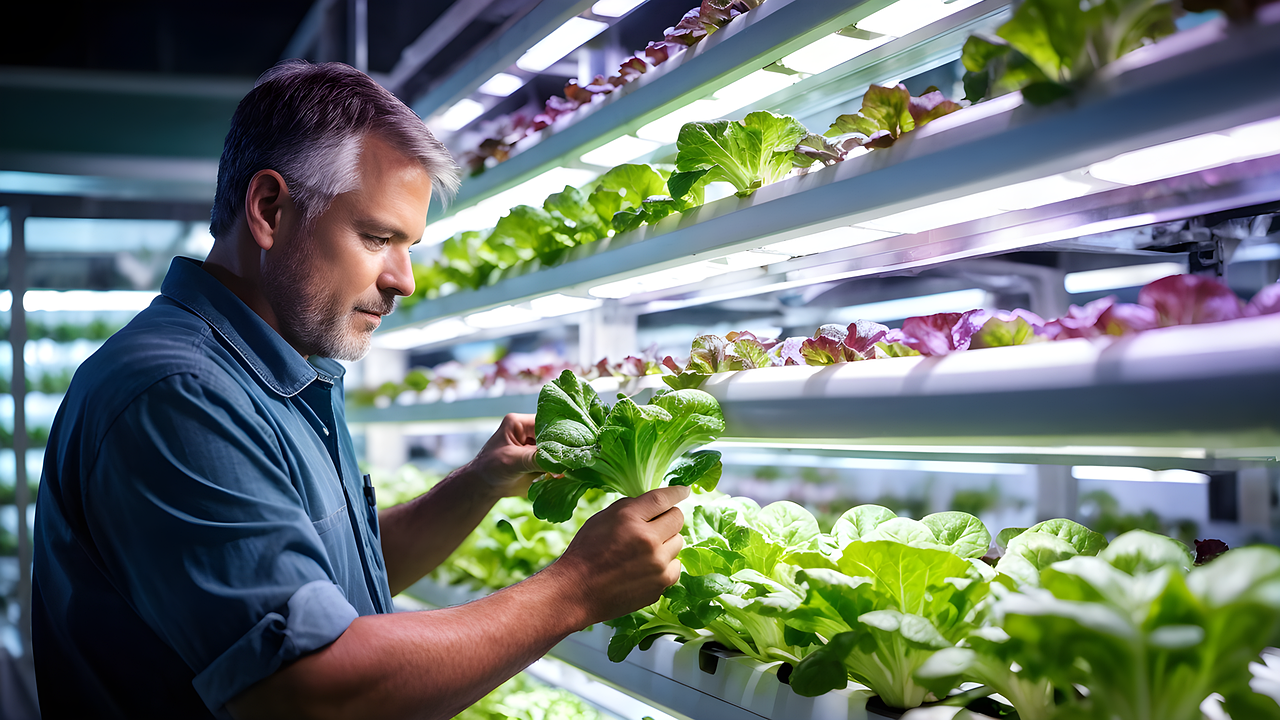
As global demand for water increases amid changing climate conditions, efficient water use in agriculture and landscaping has never been more critical. Smart irrigation systems are emerging as transformative tools to address these challenges by dramatically enhancing water efficiency. Leveraging advanced sensors, weather data analytics, and automation, these systems promise to reduce water waste significantly while maintaining or even enhancing crop productivity. The integration of artificial intelligence (AI) in irrigation management introduces new opportunities for precision watering, fostering sustainable agriculture practices and reducing environmental strain. In regions worldwide facing water scarcity, smart irrigation represents a vital innovation to conserve precious water resources without compromising agricultural yields or landscape health. By embracing these technologies, farmers and gardeners alike can achieve remarkable water savings and support resilient ecosystems. This extensive exploration reveals whether smart irrigation really can double your water efficiency and the broader implications for sustainable farming and water conservation.
Brief Highlights:
- Smart irrigation systems can reduce water consumption by up to 50% compared to traditional methods, ensuring substantial water savings without sacrificing crop health.
- Integration of AI and smart sensors enhances irrigation precision by analyzing soil moisture, weather patterns, and plant needs in real time.
- Economic benefits include lowered operational costs, reduced labor, and a strong return on investment through optimized resource use and improved yields.
- Widespread adoption faces challenges such as high initial costs, technical complexity, and connectivity issues, especially in rural farming areas.
- Future trends emphasize the growth of IoT-enabled solutions, machine learning algorithms, and climate predictive technologies to further revolutionize irrigation efficiency.




Understanding Smart Irrigation Systems: Revolutionizing Water Efficiency through Advanced Technology
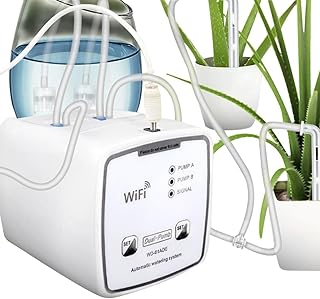
Smart irrigation systems represent a pivotal advancement in irrigation technology designed to optimize water usage for both agricultural and landscaping purposes. Unlike traditional irrigation methods, which often rely on fixed schedules or manual control, smart systems harness a combination of smart sensors, weather analytics, and automated irrigation controls to deliver water precisely when and where it is needed. This technological approach directly targets water conservation by minimizing overwatering, runoff, and evaporation — common issues that contribute significantly to water waste.
Modern smart irrigation systems typically deploy soil moisture sensors that continuously measure the water content present in the soil profile. This real-time data serves as a critical input to dynamic irrigation scheduling algorithms. By knowing exactly how much water is required, these systems can tailor irrigation volumes to the immediate needs of the plants, thereby improving water efficiency. A report by the University of California quantified that smart irrigation can cut water usage by up to 50% over conventional methods, presenting a transformative potential for water conservation globally.
Beyond soil moisture, these systems integrate weather data, including rainfall forecasts, temperature, humidity, and evapotranspiration rates, to adjust irrigation plans accordingly. This prevents unnecessary watering during rainy periods or cooler days, further conserving water resources. The adoption of remote monitoring and automated controls allows users to oversee irrigation systems via smartphones or computers, enabling real-time adjustments with minimal intervention.
Examples abound in both urban and rural settings. Landscape professionals use smart irrigation controllers to maintain lush, healthy green spaces while asserting control over water consumption. Simultaneously, in precision farming, smart irrigation technologies empower farmers to enhance irrigation management, contributing to sustainability and economic savings alike. These benefits show why smart irrigation isn’t just a trend but a critical tool for future water management.
Core Components Driving Smart Irrigation Efficiency
The fundamental elements that enable smart irrigation systems to perform at high efficiency include:
- Soil Moisture Sensors: Detect real-time moisture levels, ensuring water is only applied when necessary.
- Weather Data Analytics: Incorporate forecasts and atmospheric conditions to prevent overwatering.
- Automated Control Systems: Allow for remote irrigation management and automatic adjustments based on sensor and weather data.
- Artificial Intelligence: Employed to predict and optimize irrigation timing and volume using vast datasets and machine learning algorithms.
Collectively, these innovations embody the robust potential for smart irrigation to drastically reduce water waste while supporting crop health and growth.
How Artificial Intelligence and Smart Sensors Maximize Water Savings in Automated Irrigation Systems
The real game changer in smart irrigation is the integration of artificial intelligence (AI) with smart sensors and automated irrigation devices. AI algorithms analyze multifaceted data streams from soil moisture sensors, weather stations, and even plant health monitors, creating highly optimized irrigation schedules. These data-driven insights empower irrigation systems to predict water needs accurately, adjusting watering in real-time to match environmental fluctuations and plant growth stages.
A notable study published in “Agricultural Water Management” highlighted that AI-driven irrigation systems could reduce water consumption by up to 30% while maintaining consistent crop yields. This points to the dual benefit of conserving water resources and boosting agricultural productivity. The AI models employ machine learning techniques such as decision trees, support vector machines, and neural networks to decipher complex relationships among soil moisture, weather variables, and crop water uptake.
For example, decision tree algorithms enable straightforward irrigation decisions based on environmental thresholds, while neural networks handle more nuanced, multi-factorial data inputs to predict irrigation needs with high precision. Support vector machines classify soil moisture status to advise optimal watering volumes. These approaches converge in contemporary smart irrigation platforms to facilitate precision farming — a method grounded in localized resource application to maximize efficiency.
AI further enhances irrigation management by learning from historical data, thereby improving its predictive accuracy season after season. This adaptability is crucial in the face of climate variability, enabling farmers to mitigate risks and adjust to changing water availability. Additionally, AI-powered irrigation systems reduce the need for manual labor, allowing farmers to allocate resources more effectively while ensuring optimal irrigation performance.
Examples such as farms using IoT-enabled smart irrigation solutions consistently report significant reductions in water usage and operational costs, with some achieving nearly 50% water savings. One report found these technologies can potentially offer a return on investment of up to 300%, reflecting economic and environmental advantages that have become essential for modern agriculture’s sustainability.
Environmental and Economic Benefits: Smart Irrigation as a Tool for Sustainable Agriculture and Water Conservation
The environmental impact of implementing smart irrigation systems extends well beyond water savings. By applying water precisely, these systems discourage runoff that can carry fertilizers and pesticides into nearby water bodies, thus protecting soil health and preserving aquatic ecosystems. Maintaining optimal soil moisture promotes microbial activity vital for nutrient cycling, which can enhance soil fertility in the long term. Such ecological benefits align with sustainable agriculture goals — optimizing production while minimizing environmental degradation.
Moreover, by conserving water and reducing the total volume pumped, smart irrigation lowers energy consumption associated with irrigation infrastructure. This contributes to a significant reduction in greenhouse gas emissions, aiding efforts to combat climate change. Smart irrigation systems also encourage resilience against drought by preserving water reserves and enabling adaptive water management based on weather forecasts and soil moisture levels.
The economic benefits are equally compelling. Farmers experience lower utility bills due to the reduction in water use, and decreased labor costs thanks to automated irrigation management. Enhanced crop yields from targeted watering translate into higher revenues. The USDA’s Environmental Quality Incentives Program (EQIP) and other government initiatives provide grants and incentives that help offset initial costs, accelerating smart sensor technology adoption and enabling wider use.
Below is a comparative table illustrating key economic and environmental impacts:
| Impact Category | Traditional Irrigation | Smart Irrigation Systems | Improvement |
|---|---|---|---|
| Water Usage | 100% | 50-70% | Up to 50% reduction |
| Energy Consumption | Baseline pump energy | Reduced due to optimized scheduling | 20-40% savings |
| Labor Costs | Manual management | Automated control | Significant reduction |
| Crop Yields | Standard variable | Optimized through precision watering | 10-20% increase |
| Environmental Impact | High runoff and soil erosion | Minimized runoff, better soil health | Improved ecosystem balance |
With such multifaceted benefits, smart irrigation systems play an indispensable role in modern water conservation and sustainable agriculture efforts worldwide. Programs encouraging adoption link financial incentives and education to help bridge technology gaps and foster sustainable farm productivity. More on these aspects can be explored at technology gaps in farm productivity and farms achieving 50 percent efficiency.
Challenges and Future Prospects of Smart Irrigation Systems in Agriculture and Landscaping
Despite the proven advantages, several obstacles hinder the widespread adoption of smart irrigation technologies. Among the most significant barriers is the high initial cost of acquisition and installation, which can deter small-scale farmers or landscaping businesses working with tight budgets. Additionally, the technical complexity of setting up, calibrating, and maintaining these systems demands a level of expertise that is not always accessible, particularly in rural or under-resourced areas.
Reliable internet connectivity remains another critical factor, as many smart irrigation solutions depend on real-time data transmission and cloud-based AI processing. Rural farming communities may experience inconsistent or unavailable internet access, limiting the effectiveness of these systems. Furthermore, integrating smart irrigation with existing infrastructure can pose logistical and compatibility challenges.
Looking ahead, ongoing advancements promise to address some of these hurdles. The development of more affordable sensors, offline AI algorithms, and improved IoT connectivity options will facilitate broader reach. Emerging technologies like machine learning for optimized harvest timing and climate predictive harvest models are set to further enhance irrigation accuracy and sustainability. Industry reports from machine learning in harvest timing and climate predictive harvest highlight these trends shaping the future of smart irrigation systems.
Integration with other agricultural automations, such as drone monitoring and nutrient management, builds a comprehensive precision farming ecosystem that can significantly boost productivity and environmental stewardship. For example, combining drone technologies that assess crop stress and harvest losses with smart irrigation provides actionable insights for more informed irrigation management. More about these integrated tech applications is available at drone-assisted harvest loss prevention and overlooked agricultural automation.
Can Smart Irrigation Systems Double Your Water Efficiency? — Comparative Table
Filter the comparison table rows by typing keywords, to quickly find relevant features.
| Traditional Irrigation | Smart Irrigation |
|---|
Best Practices for Maintaining Smart Irrigation Systems to Sustain Water Efficiency
Maintaining smart irrigation systems is crucial to ensure they continue maximizing water efficiency over their service life. Regular system diagnostics help identify leaks, clogs, or malfunctioning sensors that could compromise performance. Implementing scheduled software updates is vital to incorporate advances in AI algorithms and system security. Also, recalibrating sensors periodically ensures the accuracy of soil moisture and weather readings, thus preserving optimized irrigation schedules.
Furthermore, training for system operators enhances proper usage and swift troubleshooting. This is especially important as irrigation technology evolves rapidly, and operational knowledge must keep pace to extract full benefits. Easy-to-use interfaces and remote management apps facilitate real-time monitoring and adjustments, making ongoing management more effective.
Farmers and landscapers should develop maintenance checklists including:
- Inspecting irrigation lines and valves for leaks or blockages monthly.
- Testing and calibrating soil moisture sensors every few months.
- Updating irrigation control software with manufacturer releases promptly.
- Documenting water usage trends and system performance to identify anomalies.
- Scheduling professional audits annually to verify system integrity.
Adherence to these best practices ensures smart irrigation systems continue delivering the promised water savings and sustainable benefits over the long term.
Can smart irrigation systems be used for home gardens?
Yes, smart irrigation systems are adaptable for small-scale applications including home gardens. They help optimize watering schedules and conserve water while maintaining plant health.
What is the typical cost range for installing a smart irrigation system?
Costs vary widely depending on system complexity and size, but initial investments can range from a few hundred to several thousand dollars. Government incentives can help offset these costs.
How does smart irrigation technology impact crop yields?
By delivering precise amounts of water tailored to crop needs, smart irrigation often improves crop health and yield, with some studies showing increases of 10-20%.
Are smart irrigation systems dependent on internet connectivity?
While many smart irrigation systems rely on internet connectivity for real-time data and AI processing, some models offer offline functionalities to mitigate connectivity issues.
What maintenance is required to keep smart irrigation systems efficient?
Regular sensor calibration, software updates, leak inspections, and occasional professional audits are recommended to maintain optimal system performance.