
As agricultural technology rapidly evolves, farmers worldwide are rethinking traditional methods in favor of automation to boost profitability and efficiency. Harvesting—a pivotal phase in the farming cycle—has traditionally depended on manual labor, especially in regions where the workforce is abundant and costs are low. However, the emergence of autonomous harvesters represents a paradigm shift, promising enhanced harvesting efficiency, reduced labor costs, and potentially higher crop yields. This shift raises an essential question: how does the profitability of autonomous harvesters truly compare to that of manual labor when factoring in all economic and operational aspects? Understanding this comparison involves unpacking not only the upfront investments but also the return on investment, adaptability across crop types, and long-term sustainability.
As of 2025, advancements in farming automation have intensified, making autonomous harvesters increasingly accessible and efficient. Unlike manual labor, which depends heavily on human workforce availability and seasonal fluctuations, autonomous harvesters offer consistent performance around the clock, mitigating many labor risks. This transition is further propelled by rising labor costs globally and shrinking rural populations in many agricultural regions. Yet, the success of autonomous systems hinges on a detailed cost-benefit analysis factoring in machinery costs, maintenance, crop suitability, and environmental impact. This evolving landscape invites farmers to reconsider the balance between human labor and robotics in pursuit of optimized profitability and sustainable agriculture.
Understanding the Financial Impact: Cost-Benefit Analysis of Autonomous Harvesters vs. Manual Labor
Profitability in harvesting operations is a multifaceted concept shaped by various direct and indirect costs alongside potential revenue improvements from increased efficiency and crop quality. Autonomous harvesters require sizable initial capital investment—often exceeding tens of thousands of dollars per machine—compared to manual labor which mainly incurs wages and low-cost tools. However, the operational expenses, including labor costs, fuel, and maintenance, diverge significantly between these two approaches.
Manual labor, while cheaper in capital expense, entails ongoing costs such as seasonal wages, worker training, health and safety compliance, and productivity variability. Particularly during peak harvest seasons, labor shortages can drive up wages, creating financial unpredictability and affecting profitability. In contrast, autonomous harvesters depend on technology upgrades and periodic maintenance but benefit from reduced labor dependency and increased repeatability of harvesting tasks, leading to better use of time-sensitive harvest windows.
A practical example can be observed in apple orchards where the cost per acre using robotic apple harvesters can be comparable to manual labor costs. Studies reveal that farmers could allocate approximately $248 per acre annually toward robotic harvesting technology while maintaining profit margins parallel to conventional manual harvesting. This figure takes into account the machine’s lifespan and reduced labor expenses, pointing to a break-even point where autonomous technology becomes economically viable.
Below is a comparative table outlining the primary financial considerations between autonomous harvesting and manual labor:
| Factor | Autonomous Harvesters | Manual Labor |
|---|---|---|
| Initial Investment | High (Machinery purchase cost) | Low (Basic tools and wages) |
| Operating Costs | Medium (Maintenance, fuel, technology updates) | High (Wages, training, labor management) |
| Labor Dependency | Low (Autonomous processes) | High (Seasonal workers required) |
| Harvesting Efficiency | High (Consistent and fast) | Variable (Depends on worker skill and availability) |
| Return on Investment (ROI) | Moderate to high (Long-term gains expected) | Variable and often lower |
The financial dynamics of autonomous harvesters make them particularly attractive for large-scale farms with access to capital and a need to optimize harvest timing to maximize crop yield. Smaller operations may find the upfront costs prohibitive, reinforcing manual labor’s role within certain economic contexts.
Harvesting Efficiency and Crop Yield: How Automation Enhances Agricultural Output
One of the significant advantages of autonomous harvesters lies in their capacity to dramatically improve harvesting efficiency and crop yield. These machines leverage advanced sensors, GPS navigation, and computer vision to identify ripe crops and harvest them with precision, minimizing damage and waste. Manual labor, by contrast, can be subject to human error, fatigue, and inconsistencies, which can reduce overall crop quality and quantity.
Autonomous systems efficiently cover extensive fields quickly, optimizing harvest windows and ensuring that crops are picked at their peak ripeness—critical factors for maximizing quality and market value. For example, robotic grape harvesters use mechanical shaking technology combined with selective picking capabilities, harvesting large vineyard areas much faster and more uniformly than manual pickers.
Moreover, the consistency of autonomous machines reduces post-harvest losses. Uniform cutting heights and careful handling protect delicate produce, a significant benefit for crops such as strawberries, coffee cherries, and tomatoes where bruising can severely reduce shelf life and profitability.
However, crop yield improvement through automation is not universal. Crop type and terrain also influence harvesting efficiency:
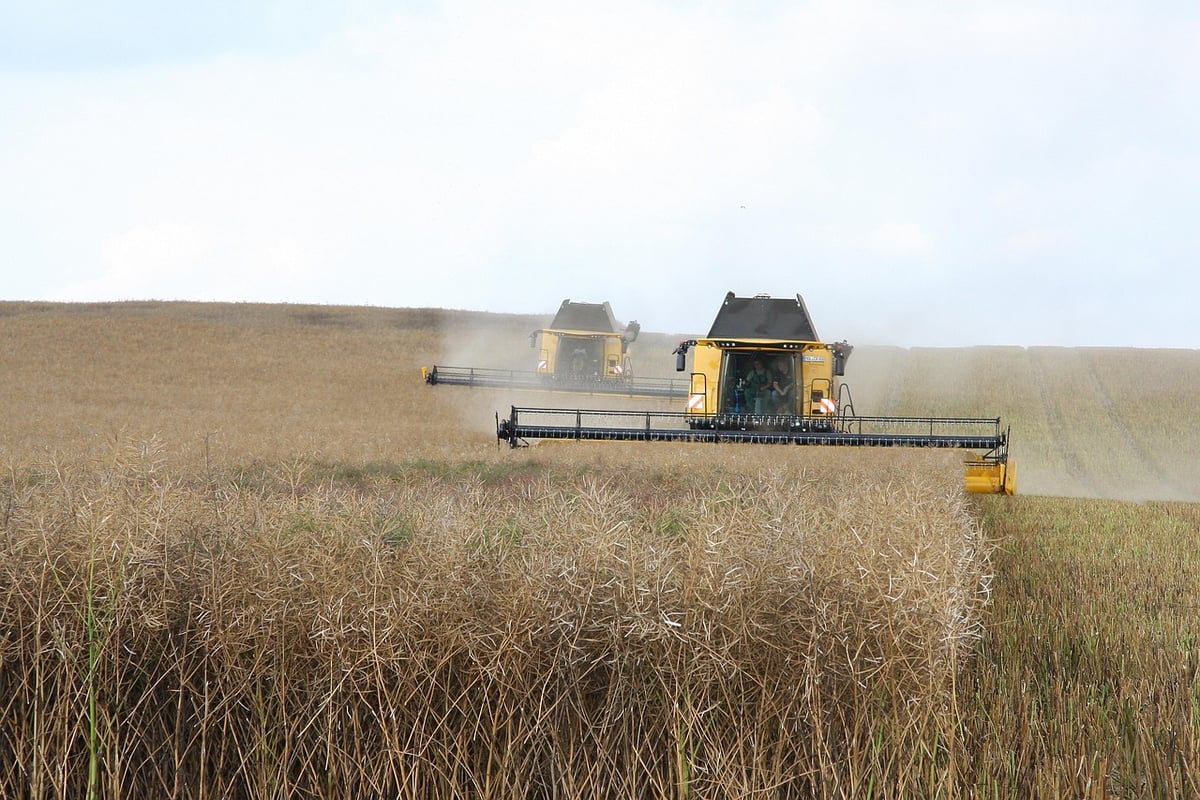
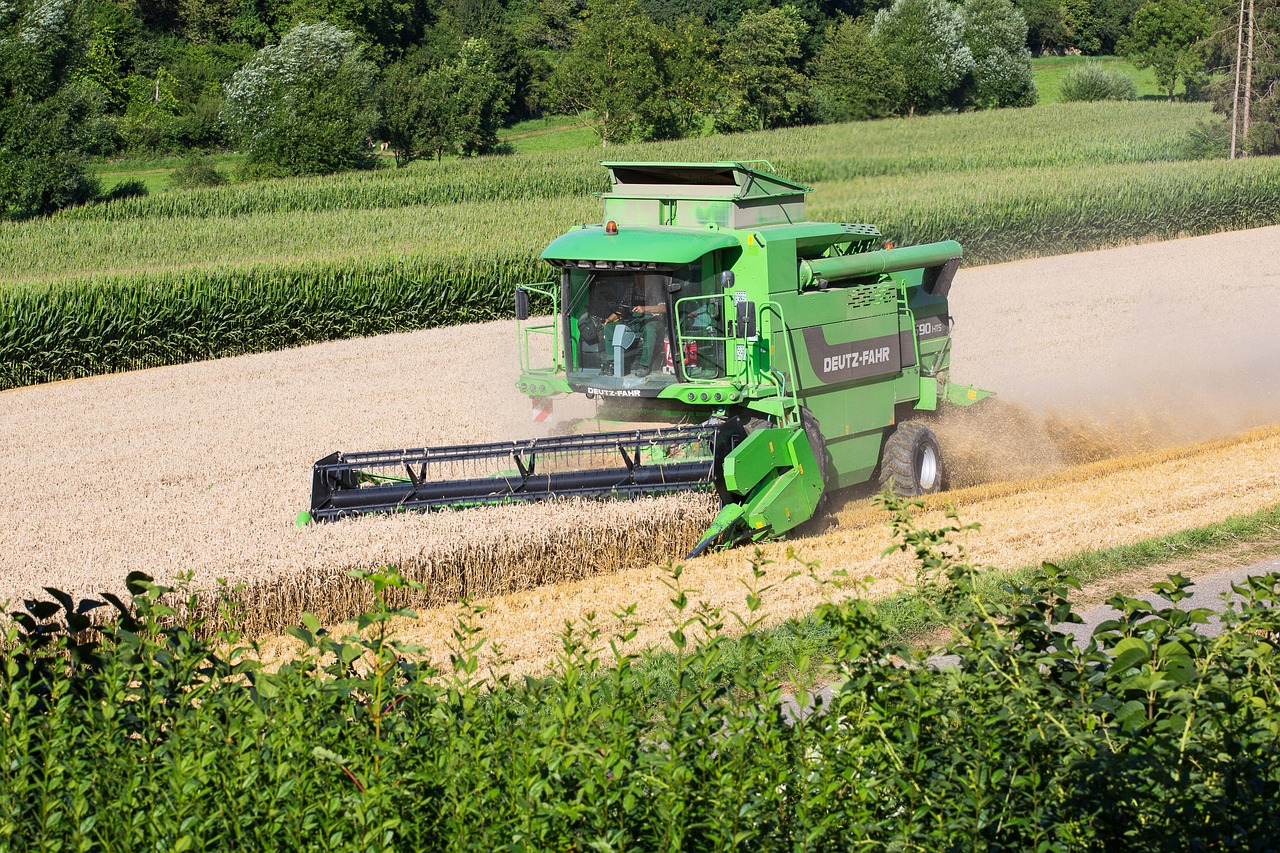
- Cereals (wheat, rice, maize) benefit greatly from combine harvesters, which are fast and productive.
- Fruits and vegetables often require selective harvesting, limiting full automation although hybrid systems with human oversight can help.
- Root crops like potatoes benefit from mechanized lifting but may still require manual sorting.
Lastly, autonomous harvesters enable farmers to refine precision agriculture strategies by integrating real-time data with machinery operations, further enhancing harvesting effectiveness. These technologies contribute to increased crop yields and superior profitability through better decision-making supported by data-driven insights.
Labor Costs and the Changing Workforce Landscape in Agriculture
Labor costs remain one of the largest operational expenses in farming, significantly impacting profitability decisions related to harvesting methods. In many parts of the world, labor shortages have been escalating due to urban migration, aging rural populations, and increasingly competitive employment opportunities outside agriculture. These factors have prompted both small and large-scale farmers to explore alternatives such as autonomous harvesters to reduce labor dependency.
Manual harvesting requires hiring a large seasonal workforce, often facing challenges such as recruitment difficulties, wage inflation, and worker retention issues. In regions with tighter immigration policies or labor regulations, this challenge becomes even more acute. Consequently, labor costs may spike unpredictably, squeezing profit margins.
Autonomous harvesters offer a sustainable alternative by automating labor-intensive tasks and sharply decreasing the reliance on human workers for repetitive and physically demanding activities. This shift translates into predictable labor expenses, reduced risk of harvest delays due to labor shortages, and improved workplace safety by limiting exposure to hazardous environments for workers.
However, the transition towards farming automation also necessitates workforce reskilling. Farmers and agricultural businesses must invest in operator training for autonomous systems and maintenance skills, shifting the workforce focus from physical labor to technical expertise. This change can open new employment opportunities requiring higher qualifications and potentially better wages, helping rural economies adapt over time.
Key labor cost considerations include:
- Seasonal wage volatility impacting budgeting and profit stability.
- Recruitment and retention expenses for skilled manual labor.
- Training costs for both manual workers and autonomous harvester operators.
- Long-term operational cost savings through reduced labor dependency enabled by automation.
- Health and safety benefits lowering lost workdays and compensation claims.
Environmental and Operational Challenges of Autonomous Harvesters Compared to Manual Labor
While autonomous harvesters offer promising profitability and efficiency gains, environmental and operational challenges impact their overall adoption and performance. One notable concern is the potential soil compaction caused by heavy machinery, which can degrade soil structure leading to reduced fertility and increased erosion risks over repeated use. In contrast, manual labor exerts a minimal environmental footprint on field soil.
Additionally, autonomous machines typically rely on fuel-powered engines, translating into a direct carbon footprint. However, innovations in electric-powered harvesters and hybrid technologies are gradually mitigating these environmental drawbacks by reducing emissions and fuel consumption.
From an operational standpoint, the terrain and crop variety present constraints for autonomous harvester use. Steep hillsides, small fragmented plots, or fields with irregular shapes can pose challenges to machine navigation and executing pickups efficiently. Manual labor, with its inherent flexibility, adapts more comfortably to such difficult landscapes and specialized crops requiring delicate handling.
Moreover, machinery maintenance and unexpected breakdowns can disrupt harvesting timelines, potentially leading to harvest losses or quality degradation if not addressed promptly. This introduces operational risks and requires farmers to maintain technical support capabilities and spare parts inventory. Manual labor relies heavily on human workforce availability but can respond flexibly to unforeseen conditions like weather changes.
In summary, environmental and operational factors often dictate the feasibility and profitability of autonomous harvester deployment:
- Soil health impacts from heavy machinery vs. manual foot traffic
- Energy consumption and emissions with fuel-powered autonomous systems
- Equipment maintenance complexities and operational downtime
- Terrain adaptability favoring manual harvesting in difficult geographies
- Crop-specific harvesting requirements limiting full automation feasibility
How Do Autonomous Harvesters Compare to Manual Labor in Terms of Profitability?
| Aspect | Autonomous Harvesters | Manual Labor |
|---|
Showing all criteria.
Emerging Technologies and the Future of Profitability in Farm Harvesting
The integration of emerging agricultural technologies is reshaping the profitability landscape for harvesting methods, progressively narrowing the gap between manual labor and autonomous harvesters. Robotics advances are at the forefront, with autonomous machines becoming increasingly capable of selective picking using machine learning and computer vision, addressing one of the main limitations in automating delicate crops.
Precision agriculture tools enhance efficiency by collecting real-time data and enabling harvesters to optimize routes and operations, thus reducing waste and energy consumption. Additionally, the shift toward electric-powered autonomous harvesters is gaining momentum, driven by environmental sustainability goals and lower operating costs over time compared to diesel-fueled machines.
Interestingly, hybrid systems that combine manual oversight with robotic assistance are gaining traction. These labor-augmented robotics models balance precision and productivity while ensuring crop quality and flexibility remain high, particularly in specialty crop production. Such systems might represent the most economically viable approach in the near term for farms seeking to adapt gradually to automation.
To capitalize on these innovations, farmers must carefully evaluate the return on investment considering total lifecycle costs, crop-specific suitability, and local conditions. Collaborations between technology developers, government programs, and agricultural communities will be key to facilitating the adoption of profitable and sustainable autonomous harvesting solutions worldwide by 2030.
In summary, these future-oriented trends hold the promise of harmonizing profitability with environmental stewardship and operational resilience, ushering in a new era of smart farming.
Are autonomous harvesters suitable for all types of crops?
Autonomous harvesters perform exceptionally well with cereals, certain fruits, and large-scale crops but may have limitations with delicate or irregularly shaped crops that require selective handpicking.
How do labor costs affect the profitability of autonomous harvesters?
Rising labor costs and shortages make autonomous harvesters increasingly profitable by reducing dependence on seasonal human labor and enabling more predictable operational expenses.
What environmental impact do autonomous harvesters have compared to manual labor?
While autonomous harvesters can compact soil and consume fuel leading to emissions, advances in electric-powered machinery are mitigating these impacts. Manual labor generally has a lower environmental footprint in terms of soil compaction and emissions.
Can smallholder farmers benefit from autonomous harvesters?
Smallholder farmers often face challenges with the high initial costs of autonomous harvesters. However, shared machinery services, subsidies, and technological advancements are making these systems more accessible over time.
What are the maintenance requirements for autonomous harvesting machines?
Autonomous harvesters need regular maintenance, software updates, and occasional repairs, which require skilled technicians and prompt intervention to avoid downtime during critical harvest periods.


