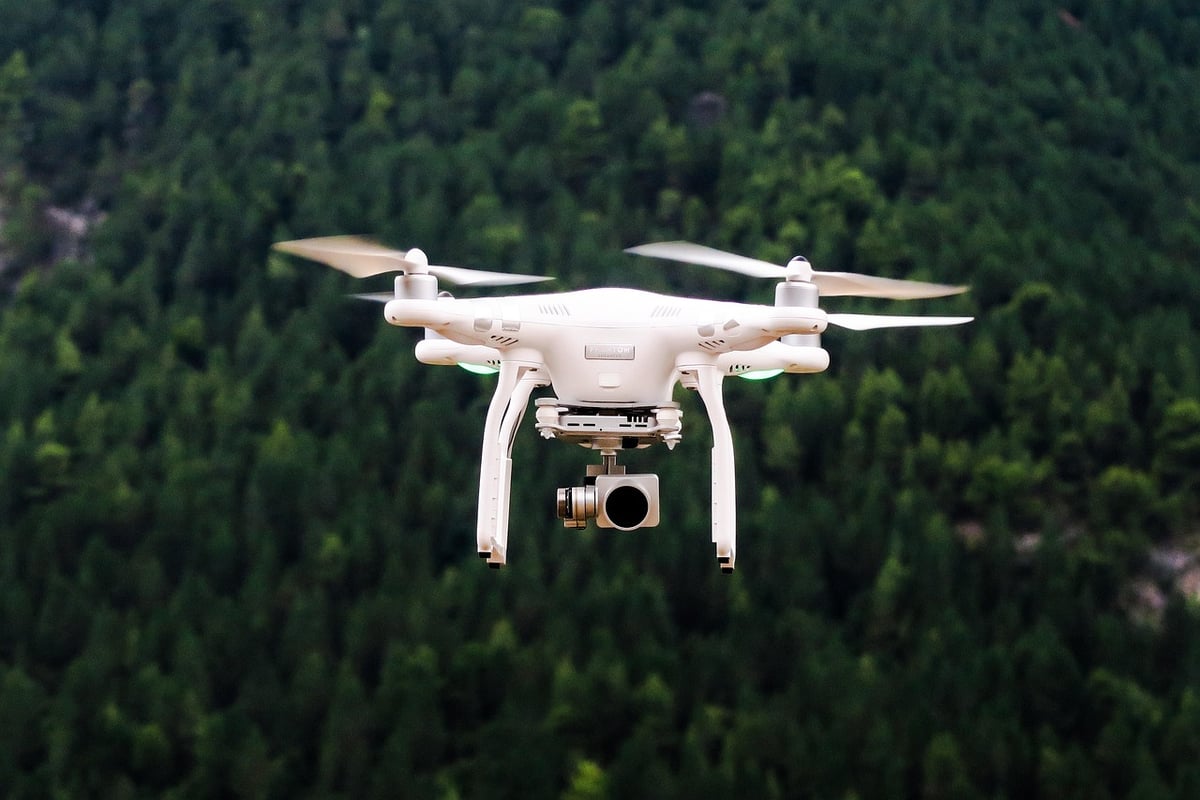
As precision agriculture continues to redefine farming landscapes worldwide, the integration of drone technology has emerged as a cornerstone in reducing harvest losses. Facing rising labor costs and the urgent need to optimize resource utilization, modern farmers are increasingly turning to agricultural drones for enhanced crop monitoring and farm management. These airborne tools provide unprecedented access to real-time data about crop health and aging, creating opportunities to significantly improve yields while minimizing waste.
Recent studies highlight that the application of drone-based insights can potentially cut down on-field food wastage by about 30%, a game-changing figure for growers seeking sustainability and profitability. Crucial advancements in drone sensors and AI algorithms facilitate detailed analysis of crop physiology and soil conditions, enabling timely interventions during the growth cycle. Such innovations empower farmers to make data-backed decisions, optimally time their harvests, and reduce inefficiencies that have traditionally led to significant losses.
With global demand for food security intensifying and environmental pressures escalating, the adoption of drones equipped with precision agriculture solutions is faster than ever. This transformational shift not only promises yield improvement but also promotes economic resilience for farms large and small.
Economic Impact of Drone Spraying: Shaping the Future of Farm Management
Drone spraying has transitioned swiftly from an exploratory technology to an economic imperative in contemporary agriculture. Despite a considerable initial investment—ranging from $5,000 for entry-level units to upwards of $50,000 for autonomous commercial systems—farmers are realizing profitable returns often within 1 to 3 years. This is illustrated in various case studies across the US and beyond, where the integration of spraying drones led to a notable decrease in labor expenses and chemical input.
Operational savings form the backbone of the financial benefits. Agricultural drones demand 75 to 90% fewer labor hours compared to traditional methods, a vital advantage amid ongoing labor shortages in many regions. In addition, precision spraying cuts chemical use by up to 30%, directly lowering input costs. The ability to treat 30 to 40 acres in an hour also reduces the time sensitivity pressures that plague conventional spraying methods, ensuring that chemicals are applied at optimal growth stages.
Crucially, drones eliminate soil compaction caused by heavy machinery, which University of Nebraska-Lincoln studies correlate with a 5 to 10% increase in yields. The economic logic extends further when government subsidies for precision agriculture and carbon credits are considered, improving the return on investment even more strongly. As farming enterprises evaluate their operational costs for 2025 and beyond, drone spraying represents an increasingly compelling option to future-proof productivity and sustainability.
Case Study Insights: Midwest Grain and California Specialty Crops
Parker Farms in Iowa, overseeing a 3,000-acre corn and soybean operation, reported a 28% herbicide reduction and an 8% yield boost after adopting drone technology for spraying. Their return on investment was solidified in just 16 months. Meanwhile, Sunnyvale Orchards in California achieved a 35% reduction in pesticide use alongside a 15% quality uplift in high-value fruits, realizing ROI in under a year thanks to combined drone spraying and monitoring.
These examples underscore the multifaceted advantages of drones, not only from a cost perspective but also in enhancing crop quality and resilience. The ability to rapidly respond to pest outbreaks and unfavorable weather via targeted aerial interventions strengthens both economic and climate adaptability for modern farms.

Advancements in Drone Technology Boosting Crop Monitoring Efficiency
Recent breakthroughs in drone technology have significantly enhanced the precision and scale of crop monitoring. High-resolution aerial imaging combined with advanced AI-driven analysis allows farmers to detect pest infestations, nutrient deficiencies, and hydration inconsistencies earlier than ever before. This level of oversight is pivotal in enabling targeted action—in effect, cutting down unnecessary inputs and preventing yield loss.
One core innovation lies in using time-series drone data fused with temperature-based growth models to predict the optimal harvest window for field crops like broccoli. For example, monitoring individual broccoli head size using drones and AI algorithms provides farmers with actionable insights on when to harvest to minimize the quantity of nonstandard-size produce that often goes wasted. This systematic approach to monitoring is a significant improvement over manual assessments, which are both labor-intensive and less granular.
Such smart farming techniques dovetail with hidden ROI in smart harvesting by enabling better resource allocation, reducing over- or under-application of treatments, and lowering environmental impacts. They serve as a direct countermeasure against loss reduction challenges faced by farms globally.
Integration of Deep Learning for Labor-Efficient Analysis
Labor-saving methodologies are critical in managing the massive datasets generated by drone fleets. By employing deep learning frameworks such as YOLO for plant detection and BiSeNet for segmentation, the labor and cost intensiveness of manual image annotation and analysis are drastically reduced. These AI models are trained to pinpoint individual plant characteristics, allowing for centimeter-level precision in crop assessments.
Additionally, methods like active learning and transfer learning mean that models can be fine-tuned continuously with minimal new data, keeping analysis both accurate and efficient over time. This technology leap not only accelerates data processing but also broadens applicability, from large grain farms to smaller specialty crop fields.
Predicting Optimal Harvest to Minimize Crop Loss: A Data-Driven Approach
Harvest timing is a critical determinant in yield improvement and loss reduction. Drones integrated with aerial imaging technologies provide a dynamic picture of crop development stages and spatial variability. By analyzing high-density phenotypic data alongside temperature metrics, computational models predict optimal harvest dates that boost profitability while minimizing on-farm waste.
For instance, drone-assisted forecasting of broccoli head sizes has revealed that even slight deviations of one to two days from the optimal harvest date can lead to a 5% to 20% increase in harvest losses. This level of precision enhances decision-making, allowing farmers to arrange logistics, labor, and packing activities with greater accuracy, optimizing the entire supply chain.
Spatial Variability Visualization Supports Precision Management
Visualizing crop size variations across large fields empowers farmers to divide fields strategically and apply differentiated harvesting schedules. This approach not only reduces the number of nonstandard vegetables but also improves marketable yields. It also embodies the principles of precision agriculture return on investment, which hinges on utilizing detailed spatial data for better resource deployment.
Drone technology thus transitions farm management from intuition-based practices to data-driven precision operations, enabling proactive pest control, irrigation, and nutrient management based on actual crop needs rather than estimates or uniform treatment.
Future Trends: Scaling Drone Technology for Sustainable Agricultural Growth
The economic and environmental benefits of agricultural drones are poised to expand further by 2030. Analysts predict a 25% compound annual growth rate in the drone market, driven by anticipated reductions in hardware costs, battery life enhancements, and improved software automation. These advances will make drone technology accessible to smaller farms and broader crop varieties.
Battery innovations increasing operational flight times by 30 to 40% and the rise of service-based subscription models will democratize access to high-tech farming tools. Artificial intelligence enhancements will reduce training and operational complexity, enabling farmers without extensive tech backgrounds to swiftly adopt drone systems for farm management.
With mounting climate risks, including erratic weather patterns, the ability of drones to survey and intervene rapidly offers critical loss reduction strategies to maintain agricultural productivity sustainably. Public policies supporting precision agriculture and subsidies incentivize adoption, facilitating a digital transformation in farming practices.
| Trend | Expected Impact by 2030 | Benefit to Farmers |
|---|---|---|
| Hardware Cost Decrease | 15-20% lower prices | Affordable entry for small/mid-size farms |
| Battery Tech Enhancement | 30-40% longer flight times | Extended monitoring and spraying |
| AI & Automation | Reduced skill/training requirements | Simplified farm drone operation |
| Subscription Models | Accessible tech for smaller farms | Lower upfront investment barriers |
| Government Incentives | Expanded subsidies and tax credits | Improved ROI and adoption rates |
Harvest Loss Reduction Calculator
Calculate your potential harvest loss reduction using drone technology based on your farm size, current loss percentage, and expected percentage improvement.
- Drone technology can reduce chemical use and labor requirements simultaneously.
- Real-time crop monitoring leads to timely interventions, reducing harvest losses.
- Advanced AI allows precise prediction of harvest timing for optimal yield.
- Government programs significantly improve the affordability and ROI of drone adoption.
- The drone market growth anticipates broader access and new innovations by 2030.
How much can drones reduce harvest losses?
Studies indicate that drone technology can reduce harvest losses by up to 30% by improving monitoring and enabling precise interventions.
Are drones cost-effective for small farms?
With ongoing decreases in hardware costs and government subsidies, drones are becoming increasingly accessible and cost-effective for farms of varied sizes.
What crops benefit most from drone monitoring?
Crops with high-value produce or those sensitive to timing, such as fruits and vegetables like broccoli and apples, benefit significantly from drone-supported crop monitoring.
How do drones help with chemical use reduction?
Drones equipped with precision spraying systems apply chemicals exactly where needed, reducing overall chemical use by up to 30% and minimizing environmental impact.
What is the future outlook for drones in agriculture?
The drone market is expected to grow rapidly, with better battery life, AI integration, and cost reductions driving widespread adoption across global agriculture.