
As agriculture faces the dual pressures of increasing global food demand and severe labor shortages, the integration of smart harvesting equipment has emerged as a game-changer. In 2025, with technological advances reaching new heights in artificial intelligence (AI), the Internet of Things (IoT), and robotics, farms worldwide are witnessing unprecedented gains not only in productivity but also in operational efficiency and sustainability. The value of the smart harvest market, estimated at USD 17.41 billion in 2024 and rapidly growing, reflects a clear trend toward automation and precision farming that promises significant hidden returns on investment (ROI) beyond immediate yield improvements. Unlocking these secondary benefits, agricultural stakeholders are beginning to appreciate how smart harvesting innovates farming economics by reducing costs, improving data analytics, enhancing resource management, and reinforcing sustainable practices.
In essence, these benefits translate into more resilient farming ecosystems capable of meeting challenges from environmental variability to market fluctuations. Smart harvesting equipment integrates AI-powered crop identification, autonomous machinery, and advanced sensor networks to address inefficiencies that traditional methods cannot solve effectively. For instance, automation minimizes costly manual labor and reduces errors associated with human fatigue, while precision sensors provide actionable insights that drive farm-level decision-making with detail and accuracy previously unattainable.
As the world moves toward climate-conscious agriculture, smart harvesting technologies play a critical role in reducing waste and optimizing inputs such as water and fertilizers. This creates an important sustainability dividend that feeds back into financial performance by preserving soil health and lowering operational expenses. Stakeholders who understand and leverage these hidden ROI elements can position themselves at the forefront of agricultural transformation, achieving enhanced profit margins alongside environmental stewardship.
Below, we explore the essential hidden ROI benefits of implementing smart harvesting equipment in greater detail, examining technology applications, economic impacts, sustainability gains, and strategic insights that make smart harvesting a valuable investment strategy in modern agriculture.
Unlocking Equipment Efficiency and Labor Reduction through Smart Harvesting
One of the most tangible hidden ROI benefits of implementing smart harvesting equipment lies in its ability to streamline labor requirements while maximizing equipment efficiency. Labor reduction emerges as a crucial advantage in a global market where skilled agricultural workers are increasingly scarce and costly. Smart harvesting systems, powered by robotics and AI, can autonomously navigate fields, identify ripe crops, and perform harvesting operations with precision and consistency, thereby decreasing dependency on seasonal labor forces.
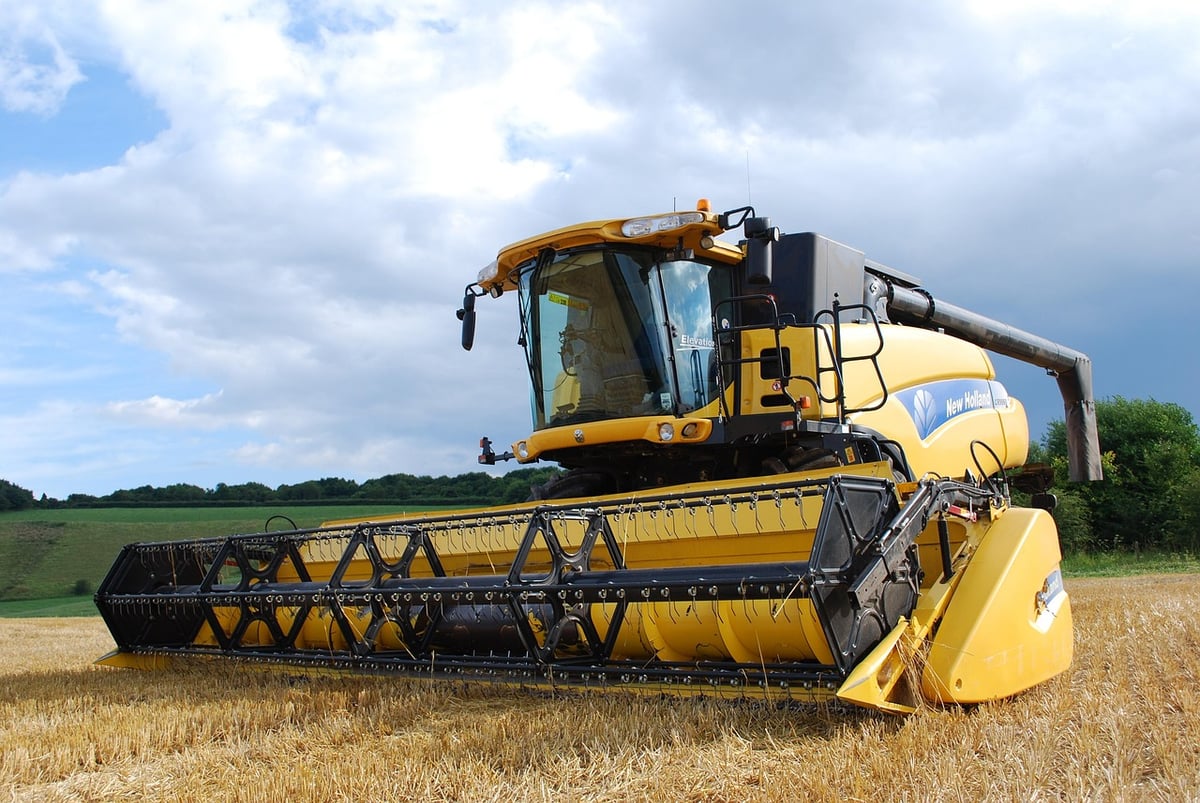
For example, leading manufacturers like John Deere and CNH Industrial have introduced automation in combine harvesters that enables predictive maintenance and autonomous operation. These technologies not only shorten harvest cycles but also minimize machine downtime, an important factor in preventing crop losses during critical harvesting windows. Efficient equipment utilization translates directly into increased productivity per unit of capital invested, a key metric in ROI analysis.
Beyond labor substitution, smart harvesting machinery often embodies multipurpose functionality—integrating sensor data collection with mechanical operations, which allows real-time monitoring of crop quality and machine performance. This dual capability enhances operational insights and reduces the total cost of ownership by preventing breakdowns and optimizing fuel and input use.
A case in point is the introduction of AI-powered cotton pickers that manage crop sorting and baling concurrently, effectively cutting down on secondary labor and processing costs. In North America, where technology adoption is among the highest, these gains have strengthened the farming sector’s competitiveness by improving onsite efficiency through smart automation.
Moreover, smart harvesting’s role in reducing human involvement mitigates risks associated with health and safety in physically demanding tasks, further reducing potential liabilities and associated costs for farm operators. This comprehensive labor and equipment efficiency enhancement compound over time, revealing a substantial ROI benefit that’s often underestimated during initial equipment acquisition.

Harnessing Data Analytics for Yield Improvement and Precision Farming
A central pillar of the hidden ROI advantages is the deployment of advanced data analytics embedded within smart harvesting equipment. Precision farming leverages IoT sensors, satellite imagery, and AI-driven algorithms to gather, process, and interpret data that informs harvest timing, machine calibration, and resource application choices.
With the agricultural sector increasingly pivoting towards sustainability and efficiency, data-driven decisions have become invaluable. For example, hyperspectral imaging used by researchers at Hebrew University enables non-destructive assessment of crop quality—such as tomato ripeness—facilitating optimized harvest schedules that improve yield quality and prevent premature or delayed picking. This level of precision leads to a direct improvement in market value, as produce reaches consumers at peak freshness.
Smart scheduling tools analyze multiple variables like soil moisture, weather forecasts, pest activity, and crop maturity indexes, enabling farmers to pinpoint the optimum harvest window. This integration of predictive analytics results in better resource allocation, reducing waste and improving overall operational efficiency. The outcome is demonstrated in quantifiable yield improvement rates of up to 20% compared to conventional harvesting methods.
Moreover, remote sensing through drones and embedded sensors in harvesting equipment provides continuous monitoring, enabling precision adjustments during harvesting. This consistent data feedback loop helps avoid harvesting underperforming or unripe areas, which can degrade overall crop quality and financial returns.
Advanced farm management systems—such as those developed by Trimble Inc.—seamlessly integrate these analytics tools, offering farmers real-time visualizations and actionable insights. Smart harvesting equipment thus becomes a critical component within the precision farming ecosystem, accelerating data-informed decisions that optimize yields and bolster ROI substantially.
Cost Savings That Go Beyond Initial Investment
While the upfront purchase and integration of smart harvesting equipment can be a considerable investment, the hidden cost savings accrued over the equipment’s lifecycle represent a significant return that is often overlooked. These savings stem from multiple operational efficiencies, resource optimization, and reduction in post-harvest losses.
Smart machinery equipped with AI-based predictive maintenance anticipates mechanical failures before they cause breakdowns, saving costly repairs and unplanned downtime during peak harvest seasons. This proactive approach ensures that equipment uptime is maximized, safeguarding revenue generation during limited harvesting windows where every hour counts.
Furthermore, automation reduces the need for seasonal manual labor, which is becoming harder to source and more expensive due to demographic shifts and rising wages globally. Personnel cost savings are complemented by reductions in fuel consumption and chemical inputs—smart machines calibrate resource application precisely, lowering waste and environmental impact.
Post-harvest, technology like AgroFresh’s Harvista Mix empowers fruit growers to extend the harvest period by managing ethylene levels effectively. This product minimizes losses due to overripening and damages, thereby increasing the sellable output and overall profit margins without additional labor or storage costs.
Beyond direct operational savings, efficient supply chain traceability backed by blockchain technology reduces financial risks associated with recalls and fraud, granting growers higher market trust and better pricing positions.
Thus, while the capital expenditure for smart equipment might appear daunting, the long-term cost savings and reduction of inefficiencies reveal a compelling hidden ROI that supports sustainable profit growth and operational resilience.
Enhancing Sustainability Through Smart Harvesting Innovations
Integrating sustainability into farming operations is no longer optional but a critical pillar for future-proofing agricultural productivity. Smart harvesting equipment plays a pivotal role in achieving both ecological and economic sustainability.
By employing precise resource management—applying water, fertilizers, and pesticides only where needed—the technology reduces environmental footprints while safeguarding soil health and biodiversity. For example, the use of drones equipped with multispectral sensors allows identification of stressed or diseased plants, enabling targeted treatment rather than blanket application. This not only lowers input costs but preserves ecosystem balance.
The World Bank’s Climate Change Action Plan for 2021-2025 emphasizes agriculture’s transition toward climate-smart practices, advocating technology adoption that enhances productivity, resilience, and greenhouse gas reduction. Smart harvesting equipment, by facilitating data-driven decisions and reducing waste, aligns perfectly with these goals.
Moreover, automated timber harvesters and selective cutting systems in forestry utilize GPS and AI to minimize overharvesting and maintain ecological sustainability. These methods help protect carbon stocks, conserve habitats, and ensure long-term resource availability.
Incorporating smart harvesting tools thus supports sustainable farming and forestry, reducing operational risks related to climate change and regulatory pressures and unlocking new revenue streams from sustainability-conscious markets. These indirect sustainability-related financial benefits amplify the traditional ROI by linking economic performance with responsible resource stewardship.
Strategic Market Insights and Future Growth Opportunities
As smart harvesting technologies evolve, they present ongoing opportunities for investors, farmers, and supply chain managers to deepen ROI benefits through innovative applications and strategic partnerships.
North America currently leads the smart harvesting market due to its advanced infrastructure and considerable investment in automation. Companies such as John Deere and CNH Industrial spearhead these advances with their AI-integrated harvesting equipment, setting industry standards.
Emerging technologies like remote sensing integration through drones and satellites are growing rapidly, offering new avenues for harvest optimization. Collaborative efforts between researchers in Brazil and Spain employing sensor data and satellite imagery exemplify this trend, using technology to decrease CO₂ emissions and optimize water use during harvest, showcasing a dual environmental and economic benefit.
Policymakers’ growing support, such as the World Bank’s funding for climate-smart agriculture, further accelerates adoption, making smart harvesting an accessible option for broader agricultural communities, including smallholder farmers despite the initial cost barriers.
The following is a list of strategic steps stakeholders can take to maximize hidden ROI benefits:
- Invest in automation and collaborate with established equipment providers for scalable and efficient harvesting solutions.
- Leverage government subsidies and global climate-smart agriculture programs to offset initial expenses and gain innovation support.
- Adopt precision farming technologies like IoT sensors and GPS systems to enhance real-time decision-making and resource allocation.
- Incorporate sustainability-focused innovations to reduce post-harvest losses and environmental impact, appealing to eco-conscious markets.
- Keep abreast of technology trends through detailed market analysis to remain competitive and rapidly adopt relevant tools.
What Are the Hidden ROI Benefits of Implementing Smart Harvesting Equipment?
Chargement de la timeline…
| Smart Harvesting Technology | Main Function | Estimated Efficiency Gain | Cost Reduction Potential | Environmental Impact |
|---|---|---|---|---|
| Robotic Crop Harvesters | Autonomous crop picking using AI and sensors | 50-60% | 20-30% | High – reduces labor and waste |
| Smart Harvest Scheduling | AI-driven harvest timing optimization | 20-30% | 10-15% | Medium – limits waste and spoilage |
| Precision Agriculture Solutions | Data-driven management leveraging IoT and ML | 35-45% | 25-30% | High – optimizes inputs and emissions |
| Automated Timber Harvesting | AI and robotics for forestry operations | 40-50% | 25-35% | Medium – promotes sustainable logging |
| Selective Cutting & Variable Retention | Tech for ecological forestry management | 25-35% | 10-15% | High – conserves biodiversity |
| Agricultural Drones & Remote Sensing | Real-time crop monitoring and guidance | 30-40% | 18-22% | High – reduces inputs and enhances detection |
| Blockchain Traceability | Secure, transparent produce supply chains | 12-18% | 6-10% | Medium – improves trust and reduces fraud |
In brief:
- Smart harvesting equipment delivers hidden ROI benefits by boosting efficiency, labor reduction, and equipment productivity.
- Advanced data analytics enable precision farming that directly improves crop yield quality and consistency.
- Long-term cost savings arise from reduced maintenance, labor needs, fuel use, and post-harvest loss minimization.
- Environmental sustainability is enhanced by targeted resource usage, reducing emissions and preserving ecosystems.
- Strategic investment paired with government and market support accelerates future growth and adoption worldwide.
What exactly is smart harvesting?
It is the use of automation, AI, robotics, and data-driven systems to efficiently collect crops or timber, reducing labor and improving quality.
How does smart harvesting contribute to yield improvement?
By using sensors and AI to precisely identify optimal harvest timing and crop quality, smart harvesting improves yield quality and reduces waste.
Are high initial costs of smart equipment justified?
Although initial investments are high, cost savings from labor reduction, maintenance, and input efficiency generate strong long-term ROI.
Can smallholder farmers access smart harvesting technologies?
Growing availability of subscription-based and scalable tech solutions, along with government programs, is making smart harvesting more accessible to smallholders.
How do smart technologies advance sustainability?
By optimizing resource use and reducing waste, smart harvesting technologies support climate-smart agriculture and environmental preservation.


